
Gum grafting, also known as gingival grafting, is a dental procedure designed to restore gum tissue that has receded or thinned due to various factors, such as periodontal disease, aggressive brushing, or genetic predisposition.
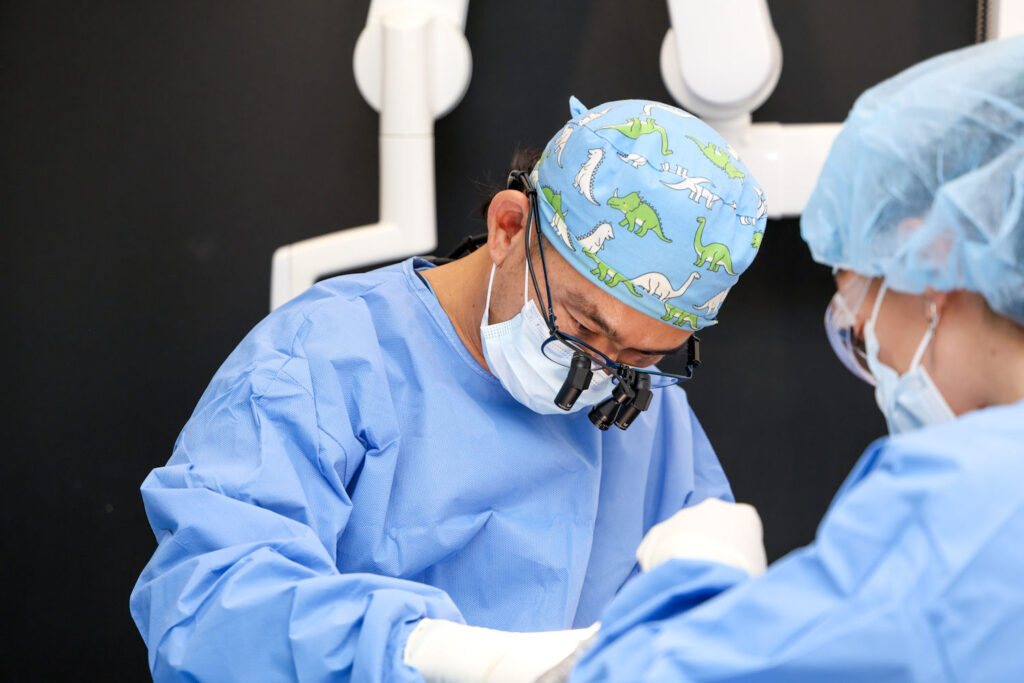
This procedure aims to improve both the aesthetics of the smile and the health of the gums, protecting the roots of the teeth and enhancing overall oral health.
This is the most common type of gum grafting. It involves taking a portion of tissue from the roof of the mouth (palate) and stitching it to the area where the gums have receded. This graft allows for the regeneration of gum tissue.
In this procedure, a small piece of tissue is taken directly from the palate and placed on the recipient site. This graft is often used to increase the thickness of the gums.
In this technique, tissue is taken from the gum area adjacent to the recipient site. The tissue remains partially attached (pedicle) to the donor site, allowing it to be moved over to cover the exposed root area.
This involves using donor tissue from a human cadaver, which is processed and sterilized. It is an option for patients who may not have enough tissue available for a graft.
This type uses tissue from an animal source, typically bovine. It serves as a scaffold for new tissue growth.
Step
1
The dentist will evaluate the condition of the gums and discuss the appropriate type of grafting procedure based on individual needs.
Step
2
Local anesthesia is administered to ensure the patient is comfortable throughout the procedure.
Step
3
If a connective tissue or free gingival graft is performed, a small piece of tissue is harvested from the palate or another suitable area.
Step
4
The harvested tissue is carefully placed over the area of gum recession and secured with sutures.
Step
5
If tissue was taken from the palate, this site will also be sutured to promote healing.
Gum grafting can restore the natural contour of the gums, improving the overall appearance of the smile.
By covering exposed tooth roots, gum grafting helps prevent sensitivity and reduces the risk of decay.
The procedure can halt the progression of gum recession, preserving the health of the teeth and surrounding structures.
Healthier gums contribute to better overall oral hygiene and reduce the risk of periodontal disease.
Certainly! If you have too much gum to teeth surface ratio, we can adjust the gumline to best suit your smile.
After the procedure, we will provide specific instructions for care, including recommendations for diet, oral hygiene, and pain management.
Initial healing can take about one to two weeks, while complete healing may take several months. During this time, regular follow-up visits will be scheduled to monitor progress.
Complete the form below and our team will get in touch to organise a time for your consulation.